Story
10 chapters
The whole story in short chapters: the trees, the species found nowhere else, the clearances, the villages and the case for the projects, each chapter with a shareable card.
Every number on this site comes from a document I can point to:
Spotted a mistake, or have a document I should see? Write to daredavil239804@gmail.com with the page, the claim and, if you can, a source. I reply within 7 days and note every fix on the page.
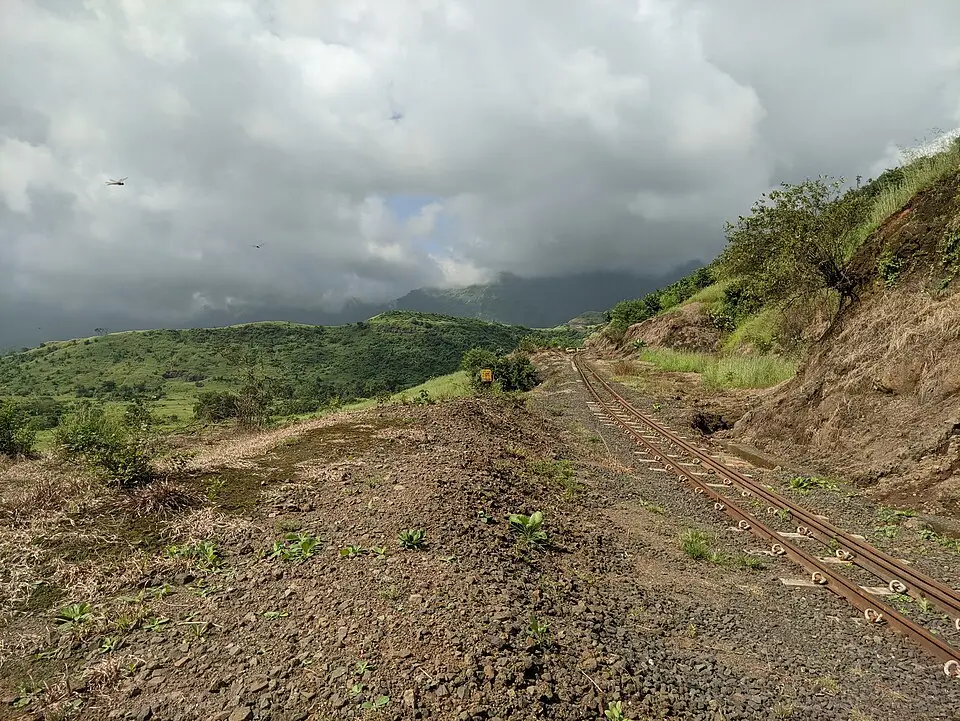
Maharashtra is planning dozens of Pumped storage project (PSP) Two reservoirs at different heights: water is pumped up when power is cheap and released through turbines when power is needed. More in glossary → in the Western Ghats / Sahyadri The 1,600 km mountain chain along India's west coast: older than the Himalaya, a UNESCO World Heritage site and a global biodiversity hotspot. More in glossary → . This site tracks each one: the trees and forest it needs, the clearances it got, and what people living there say. Read the story, or explore the data pages.
Read the story Find a project near you →
Independent: no money from developers, governments or parties. Built from official documents and 75 vetted outlets. How this site works
39projects tracked
1,64,674trees to be felled, on recordCounts public for 5 of 39 projects
3,211ha of forest land, on recordKnown for 32 of 39 projects
60,615MW in the pipeline
When solar floods the grid at midday, pumps push water from the lower reservoir up a tunnel to the upper one. The hill becomes a battery.
When demand peaks, the water falls back through turbines and makes electricity. About 22% of the energy is lost on the round trip.
Two reservoirs, a dam, tunnels, muck dumps, roads and power lines go onto forested hills. On record so far: 1,64,674 trees to be felled, from the 5 projects whose tree count is public, and 3,211 ha of forest land across 32 of the 39 projects.
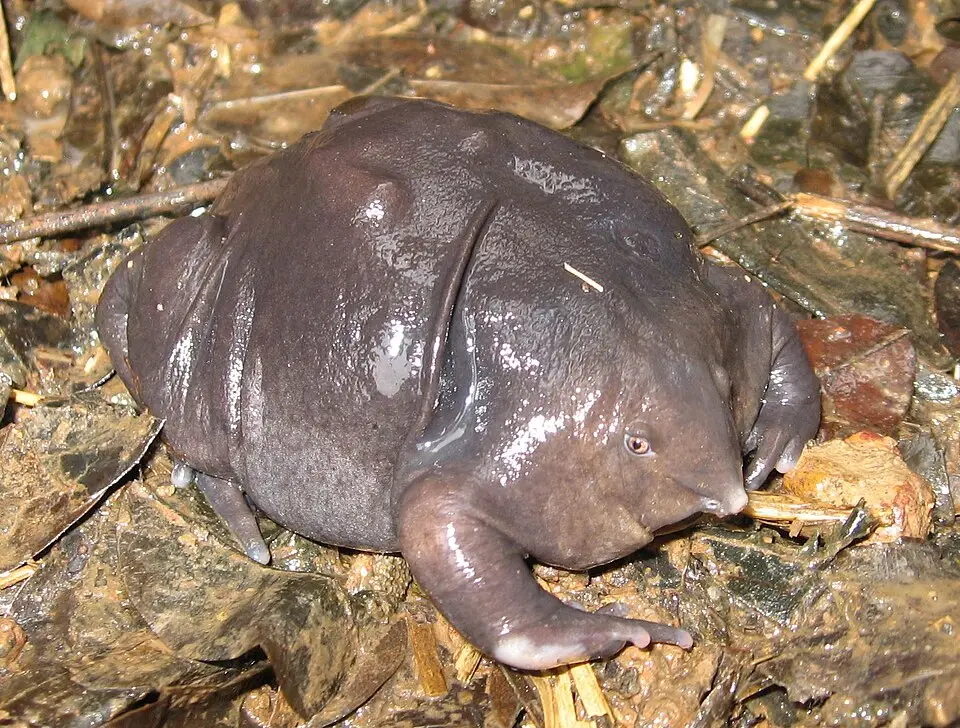
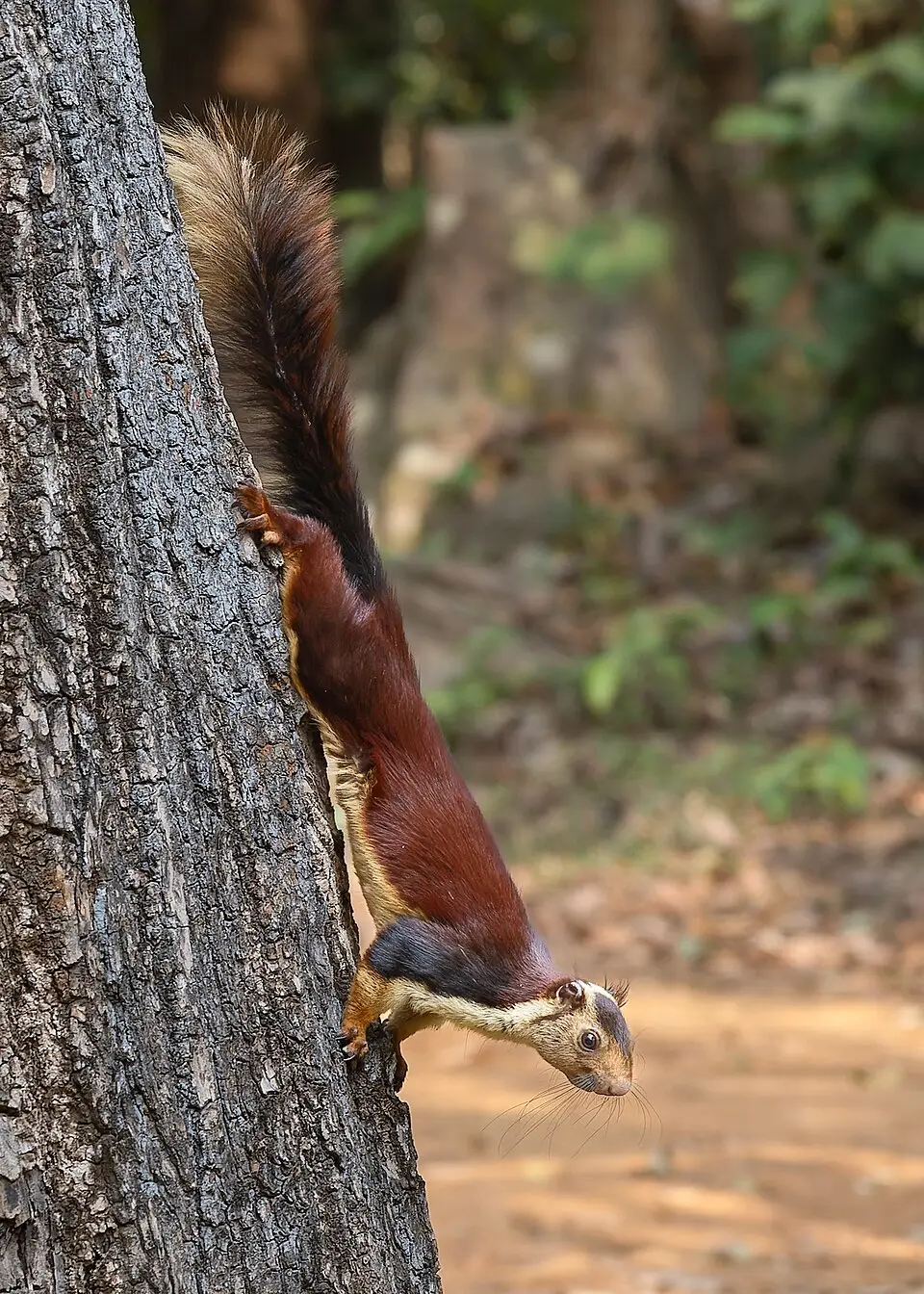
Reservoirs and roads break up plateaus, streams and wildlife corridors that hold species found nowhere else, and take village land and grazing.
10 chapters
The whole story in short chapters: the trees, the species found nowhere else, the clearances, the villages and the case for the projects, each chapter with a shareable card.
39 projects
Every pumped storage project planned in Maharashtra on a map and in one table, sorted by trees to be felled. 60,615 MW in all; a page per project with its documents.
89 events
MoUs, clearances, felling orders, hearings and protests, newest first, filterable by project. Latest: Scheduled: PM to lay foundation stone for Karjat PSP.
11 reports
Coverage from a fixed list of outlets, updated every morning. Latest: “Karjat Sai Dongar Project Tree Cutting Halted, Protest Intensifies”.
13 shortcuts
How environmental safeguards were sidestepped: what each rule requires, and what happened instead.
14 records
Gram sabhas, public hearings and objections from the affected villages, attributed by name.
11 inputs
Every formula and assumption behind the numbers: forest per GWh, round-trip losses, emissions and tariffs.
44 terms
ToR, EC, FC, ESA, gram sabha and the rest, in plain words.


या साइटवरील प्रत्येक आकडा मी दाखवू शकेन अशा एखाद्या दस्तऐवजातून आलेला आहे:
चूक दिसली, किंवा मी पाहावा असा एखादा दस्तऐवज तुमच्याकडे आहे? daredavil239804@gmail.com वर पान, दावा आणि शक्य असल्यास स्रोत लिहून पाठवा. मी 7 दिवसांत उत्तर देईन, आणि प्रत्येक दुरुस्तीची नोंद त्या पानावर केली जाईल.
महाराष्ट्र सह्याद्रीत डझनभर पंप स्टोरेज प्रकल्प (PSP) वेगवेगळ्या उंचीवरचे दोन जलाशय: वीज स्वस्त असते तेव्हा पाणी पंपाने वर चढवले जाते, आणि विजेची गरज असते तेव्हा टर्बाइन्समधून खाली सोडले जाते. शब्दकोशात अधिक → प्रकल्पांची आखणी करत आहे. ही साइट प्रत्येक प्रकल्पाचा मागोवा घेते: त्यासाठी लागणारी झाडे आणि जंगल, त्याला मिळालेल्या मंजुरी आणि तिथे राहणाऱ्या लोकांचे म्हणणे. कथा वाचा, किंवा डेटा पाने पाहा.
कथा वाचा तुमच्या जवळचा प्रकल्प शोधा →
स्वतंत्र: विकासक, सरकार किंवा पक्षांकडून एकही पैसा नाही. अधिकृत दस्तऐवज आणि तपासलेल्या 75 माध्यमांवर आधारित. ही साइट कशी काम करते
39प्रकल्पांचा मागोवा
1,64,674तोडल्या जाणाऱ्या झाडांची नोंद39 पैकी 5 प्रकल्पांची संख्या जाहीर
3,211ha वनजमीन, नोंदीनुसार39 पैकी 32 प्रकल्पांची माहिती उपलब्ध
60,615MW नियोजित
दुपारी सौरऊर्जेने ग्रिड भरून जाते तेव्हा पंप खालच्या जलाशयातील पाणी बोगद्यातून वरच्या जलाशयात चढवतात. डोंगर बॅटरी बनतो.
मागणी शिगेला पोहोचते तेव्हा पाणी परत टर्बाइन्समधून खाली पडते आणि वीज तयार होते. या फेरीत (round trip) सुमारे 22% ऊर्जा वाया जाते.
दोन जलाशय, धरण, बोगदे, मातीचे ढिगारे, रस्ते आणि वीजवाहिन्या जंगलाने भरलेल्या डोंगरांवर येतात. आतापर्यंतची नोंद: ज्या 5 प्रकल्पांची झाडांची संख्या जाहीर आहे त्यांतून 1,64,674 झाडे तोडली जाणार, आणि 39 पैकी 32 प्रकल्पांत मिळून 3,211 ha वनजमीन.
जलाशय आणि रस्ते पठारे, ओढे आणि वन्यजीवांचे मार्ग तोडतात, जिथे इतरत्र कुठेही न आढळणाऱ्या प्रजाती राहतात; आणि गावांची जमीन व गुरचरणही जाते.
10 प्रकरणे
संपूर्ण कथा छोट्या प्रकरणांत: झाडे, इतरत्र कुठेही न आढळणाऱ्या प्रजाती, मंजुरी, गावे आणि प्रकल्पांच्या बाजूचे म्हणणे; प्रत्येक प्रकरणासोबत शेअर करता येणारे कार्ड.
39 प्रकल्प
महाराष्ट्रात नियोजित प्रत्येक पंप स्टोरेज प्रकल्प नकाशावर आणि एका तक्त्यात, तोडल्या जाणाऱ्या झाडांनुसार क्रमाने. एकूण 60,615 MW; प्रत्येक प्रकल्पाचे दस्तऐवजांसह स्वतंत्र पान.
89 घटना
MoU, मंजुरी, वृक्षतोड आदेश, सुनावण्या आणि आंदोलने, नवीन आधी, प्रकल्पानुसार गाळता येतात. ताजी घटना: नियोजित: कर्जत PSP ची पायाभरणी पंतप्रधानांच्या हस्ते.
11 बातम्या
ठरावीक माध्यमांतील बातम्या, रोज सकाळी अद्ययावत. ताजी बातमी: “कर्जत साई डोंगर प्रकल्पातील वृक्षतोड थांबली, आंदोलन तीव्र”.
13 पळवाटा
पर्यावरणीय संरक्षक तरतुदी कशा टाळल्या गेल्या: प्रत्येक नियम काय सांगतो, आणि प्रत्यक्षात काय झाले.
14 नोंदी
बाधित गावांतील ग्रामसभा, जनसुनावण्या आणि आक्षेप, नावानिशी.
11 गृहीतके
आकड्यांमागील प्रत्येक सूत्र आणि गृहीतक: प्रति GWh जंगल, round-trip मधील नुकसान, उत्सर्जन आणि दर.
44 शब्द
ToR, EC, FC, ESA, ग्रामसभा आणि इतर शब्द, सोप्या भाषेत.